
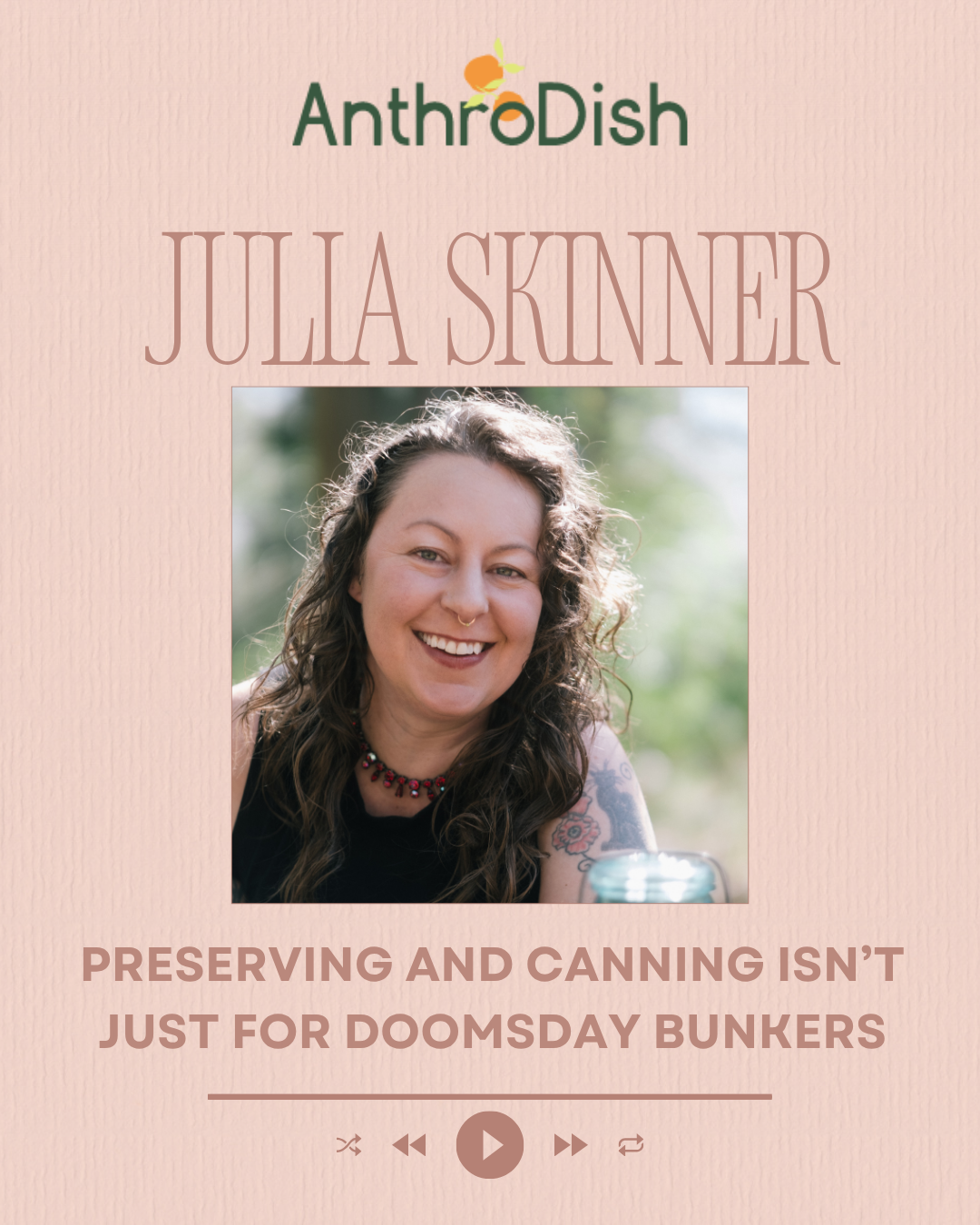
This week, Julia Skinner is back to talk about what shapes food security can take, beyond the academic metrics we're used to. Julia is a former librarian and Library Science PhD turned food historian and fermentation expert. She is the author of the award-winning book Our Fermented Lives: A History of How Fermented Foods Have Shapes Cultures & Communities. She also runs workshops, events, and a newsletter through Root, which was born from a deep love for community and a belief in the power of food to tell stories, connect us to place, and build a bridge to the past. She’s on the show today to talk about some of the themes in her new cookbook, Essential Food Preserving: The Comprehensive Guide to Canning, Freezing, Drying, and Fermenting Vegetables, Fruits, Grains, Nuts, Beans, Meat, Dairy, and Eggs.
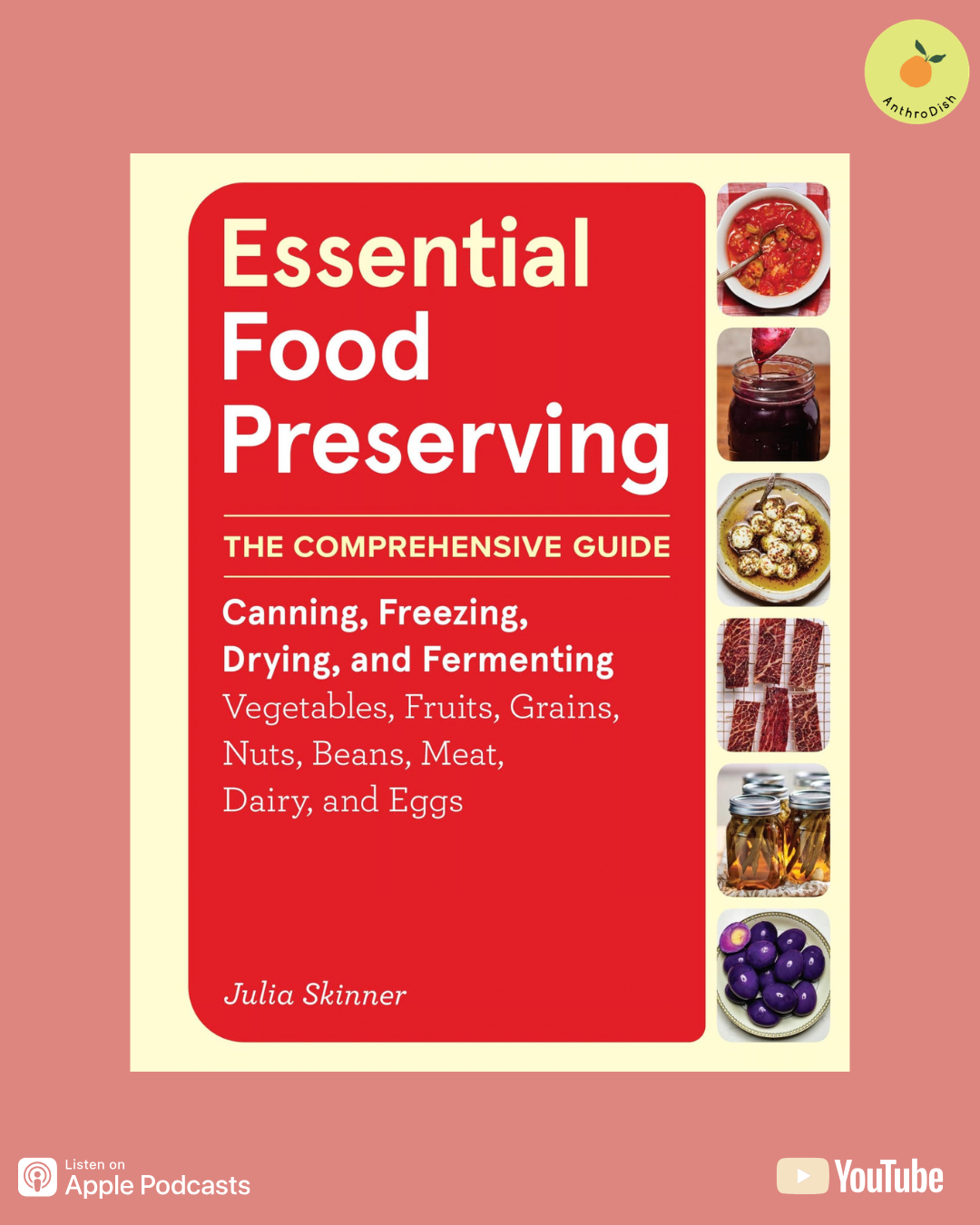
In today’s conversation, we explore the differences between fermentation and preserving, the ways that people with limited kitchen space or budget can integrate food preservation into their routines, why practices such as canning fell out of favour after WWII, and why we need to stop thinking about food preservation as a doomsday bunker strategy, but rather a practice of community.
Resources:
Website: https://root-kitchens.com/
Julia’s Book: Essential Food Preserving
Instagram: @rootkitchens or @bookishjulia
Substack Newsletter: Root Kitchens
Links to the Mauril app & website : Download on iOS | Download on Android | mauril.ca
This collaboration is part of an advertising campaign managed by the agency Podpass for Mauril, developed by CBC/Radio-Canada.