
Wellness as both a culture and industry tend to visually skew more feminine—or at least the critiques and cultural assessments of it do. In some ways, this also leads to a superficial exploration of why people feel compelled to choose wellness alternatives, be it supplements or injections or beauty products. But there’s more nuance needed, especially given how wellness influencers and media advocating for masculinity through magical, mystical, foreign products. What exactly goes into these cure-alls, and what consequences does it have globally?
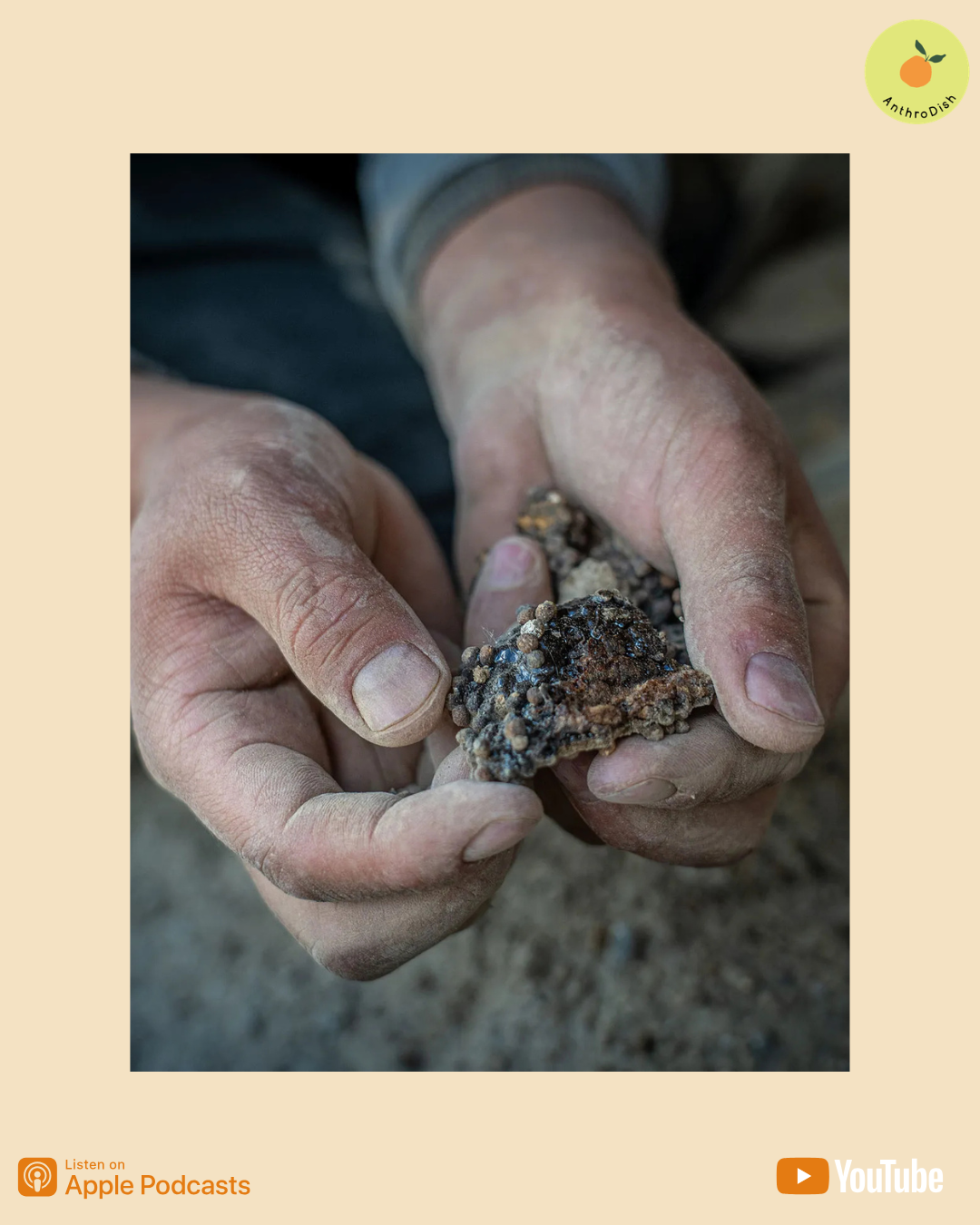
Photo provided by Adam Popescu
My guest today, Adam Popescu, explores these themes through his reporting and writing. Adam is a journalist and author who writes about power and our changing world, often exploring the impacts of business on biodiversity, and commerce on culture and climate. He’s here today to unpack some of the fascinating work he did for Bloomberg Business on shilajit, a supplement that has recently been favourited by the likes of MAHA proponents and Joe Rogan, but its sourcing has become contentious for many reasons.
In today’s conversation, Adam talks about the traditional uses of shilajit, and how its been commodified to fit the wellness industry, explores the dynamic between power and masculinity and how it plays out in wellness superfoods, the issues surrounding sourcing shilajit from the Himalayas and what the end products in the West get cut with, and the complexities of whether or not shilajit can be sustainably sourced.
Resources:
Adam's article in Bloomberg Business on shilajit
Adam's website: https://www.adampopescu.com/
Adam is leading a wildlife writing retreat next May in the Indian Himalayas with the writers Deepa Anappara, Jonathan Miles, and Kullu Suryawanshi.
Basic setup is half the day we look for wildlife and the other half is writing focused with lessons covering fiction, non-fiction and memoir and nature writing. Email him for more here: Adampopescu@gmail.com