181: What Can Vegetables Teach Us About the Future? with Ali Francis

Industrialization has undoubtedly and profoundly shifted our relationship with food globally, and it can be hard to remember the work being done outside of commercialized growing to remain connected to the land through vegetables. What stories are held in the diversity of vegetable species across the globe? Today’s guest, Ali Francis, is here to explore their fascinating and curious lives!
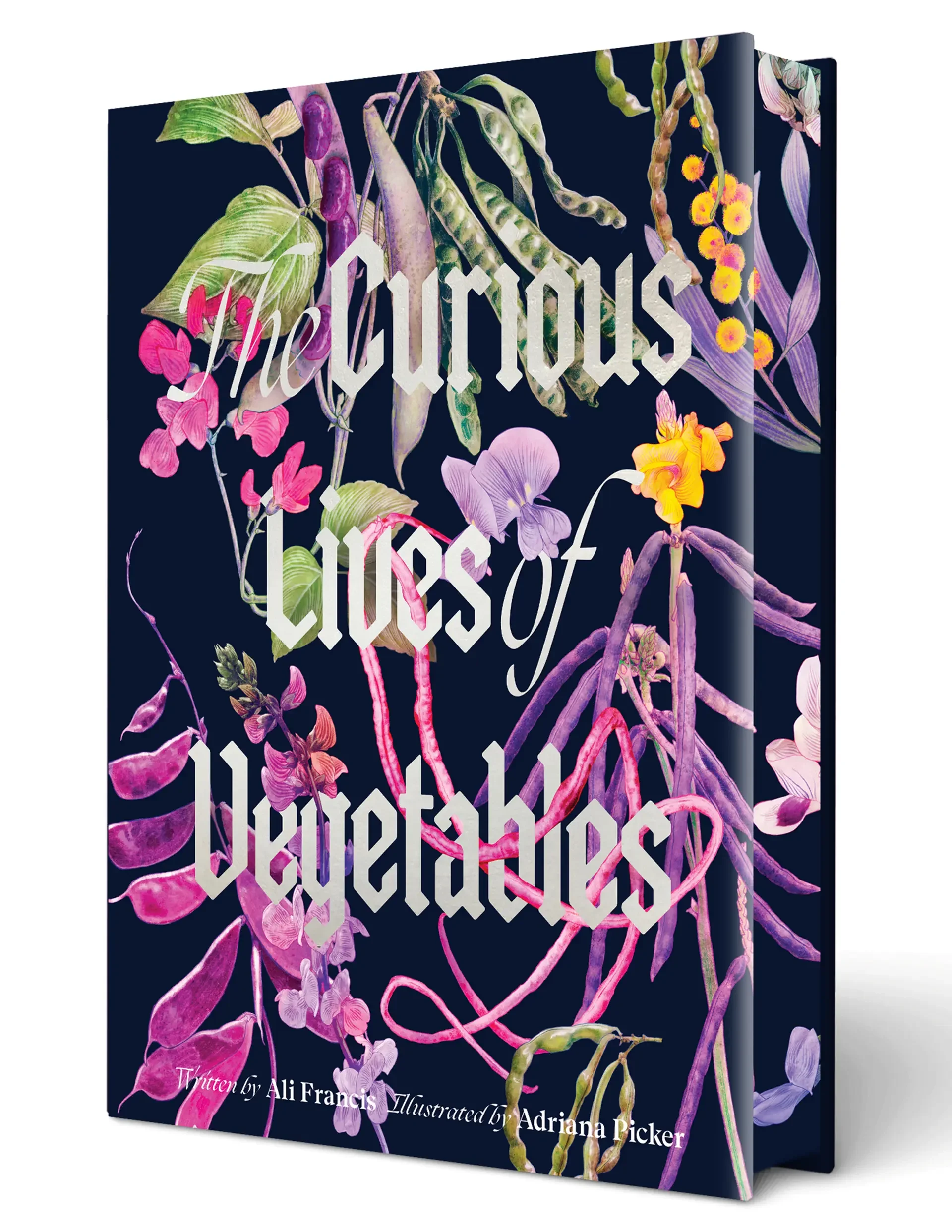
Ali is an Australian-born journalist and former Bon Appétit reporter living in Salt Lake City, Utah. Her work has appeared in The Atlantic, The Cut, BBC, The Guardian, TASTE, and other publications. She’s the co-founder of Best Food Blog, a journalist-owned publication about eating (full disclosure, it’s one of my favourite food writing out there!). Ali also writes Anyway!, a newsletter about building meaningful lives in these bizarre modern times. Her first book, The Curious Lives of Vegetables: An Artful Exploration of the Wonderful World of Edible Plants, Their History, and Their Crucial Role in Our Future is out now, and is a wild quest to uncover the stories we don’t usually hear about plants.

In today’s conversation, Ali touches on how her and the book’s artist Adriana Picker tackled such an immense and robust task of sharing plant narratives through writing and gorgeous illustrations, what factors have contributed to the declining biodiversity of vegetables in the world, how colonial naming conventions shaped our relationship to vegetable varieties, and the important role that seed savers play in building more vibrant, flavourful futures.

Resources:
180: Season 11 Launch [Solo Episode]

As we start up season 11 of the podcast, I wanted to share some life and technological updates, as well as what you can expect of this season. We're in a landscape where the steakhouse is back, big meat, wellness, and Ozempic are in, there’s recalls abounding across America that are spiralling into Canada for lettuce and berries and jalapenos and eggs. I'm frustrated about the state of global food systems, and the imperialist and fascist leadership that is swiftly impacting everyday lives. My focus this season is to look at what’s going wrong, how it’s impacting everyday people, and also how different cultures and experiences across the world are grappling with these imperialist changes.

Maybe it feels as heavy to you as it does to me. Maybe it feels like it's too much. But it iss underpinning my decisions about which guests to have on this season. Fight fire with really great people doing really important, practical work. 

We've got a new look, a powerful line up of guests, and a really fruitful series of conversations for you! 

Follow Sarah/AnthroDish: 

179: Looking at How We Eat to Understand Power & Social Movements with Amber Husain

When it comes to talking about food, we often to choose to look at what people are eating rather than how. And it’s this distinction that today’s guest, Amber Husain, explores more fully in her new book, Tell Me How You Eat: Food, Power and the Will to Live.

Amber is a writer based in South London, UK. In addition to Tell Me How You Eat, she has also written Meat Love and Replace Me. Her essays on politics, literature, and art have been published in Granta, The New York Times, Baffler, and more. She has a PhD from UCL in the history of art and mind-body medicine in the late 20th-century Britain. She teaches history of art, creative writing, and criticism. 

In today’s conversation, Amber explores some of the ways that appetites can be re-examined, and challenge persistent tropes of eating that narrow down to individual choices. Using socialist and feminist lenses, she speaks to food movements and moments in history that have revealed reasons to eat and live, and the empowerment that comes from using food as a question rather than an answer.

Resources:

178: What Makes for “Good Food” for Immigrant Women in British Columbia? with Isabela Bonnevera

Sustainability is a word you hear a lot, but it tends to go uncritically examined in application. So what can it encompass when it comes to food experiences, particularly for immigrants and newcomers to Canada? My guest this week, Isabela Bonnevera, is here to unpack this further. 

Isabela is currently a doctoral researcher at ICTA-UAB and engages with participatory methods to explore how immigrants are shaping sustainable food transitions in cities. She also examines how sustainable food policies impact food justice outcomes for immigrant communities. She’s the co-founder of Feminist Food Journal, and we work together on Feminist Food Friend events as well.

This week, Isabela is here to explore the more participatory elements to her research. Using a method called photovoice, she has worked with a group of immigrant women in the Vancouver area to dig into the question of what makes food sustainable—or more accurately, what is “good food” and what does sustainable really look like when the word doesn’t always translate into diverse cultural experiences with food? We speak to how this bottom-up approach ties into the broader policy frameworks, the findings of their photovoice explorations, and its implications for filling policy gaps. 

Resources:

177: How Can Appetites Be Shaped for the Future? with Alicia Kennedy

When it comes to thinking about the future of food, is it possible to re-imagine our individual and collective appetites around what we want it to be? Taste is subjective, but it’s also deeply embedded in the land, histories, politics, and sociocultural dynamics we navigate throughout our lives. And as my guest this week, Alicia Kennedy, writes, our tastes are also shaped by how we value (or don’t value) ingredients and their own histories. 

Alicia is a writer from Long Island. She is the author of No Meat Required: The Cultural History and Culinary Future of Plant-Based Eating, and On Eating: The Making and Unmaking of My Appetites, which is out officially as of today through Hachette. Her newsletter, From the Desk, covers food, culture, politics, and media, and she is launching Tomato Tomato, a literary journal of food writing, in 2026. 

Alicia is back on the show today to speak about On Eating, exploring the process of weaving the personal and cultural histories of ingredients through her chapters, the interrogation of early appetites and their influence on her food writing, the dynamics of feminine appetites in food media, and the importance of properly considering the labour of growing and producing food as a way to unpack Western appetites.

Resources: 

176: The Forgotten History of Wheat in Texas with Rebecca Sharpless

When thinking about the food and agricultural landscape of Texas, the mind immediately goes to cattle, corn, and cotton—certainly not wheat. But as my guest this week, Dr. Rebecca Sharpless, shares, the region of North Texas had a robust wheat culture from the 1840s until the post-World War Two period. So what made North Texas a great place for wheat? And what are the implications of wheat as culture and cultivator? 

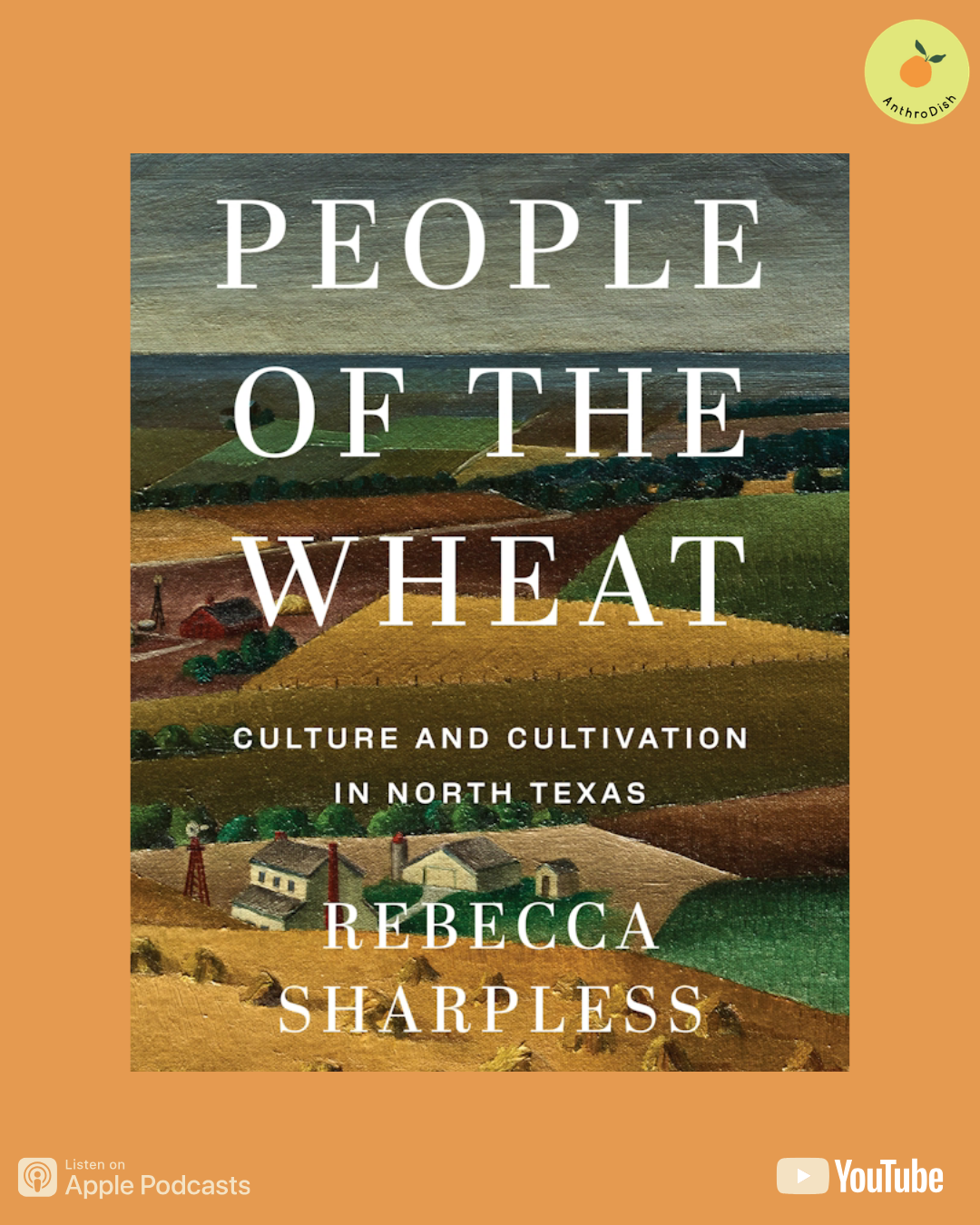
Rebecca is here today to talk about her new book, People of the Wheat: Culture and Cultivation in North Texas, out now through Univeristy of Texas Press. She is a professor of history at Texas Christian University, and writes on food, labour, and women. She is also the author of Fertile Ground, Narrow Choices: Women on Texas Cotton Farms, Cooking in Other Women’s Kitchens: Domestic Workers in the South, and Grain and Fire: A History of Baking in the American South.  

In today’s conversation, we’re exploring the forgotten history of wheat harvesting in North Texas, including how it complicates the story of plantation economies and enslavement histories in the south, the profound impact of mechanization on milling and distributing wheat, and the post-war influences that led to wheat’s decline, despite having lasting cultural importance for Western appetites and baking. 

Resources: