
With the autumnal season in full swing, the desire for warming spices and teas only grows deeper. But in the last few decades, the complexity of tea—particularly Indian Chai—has been taken by corporate coffee chains and marketed for the mainstream, Western palate. And while there’s a lot of attention on chai, there’s little acknowledgement of its cultural history, or the diversity of tea produced and enjoyed throughout India.
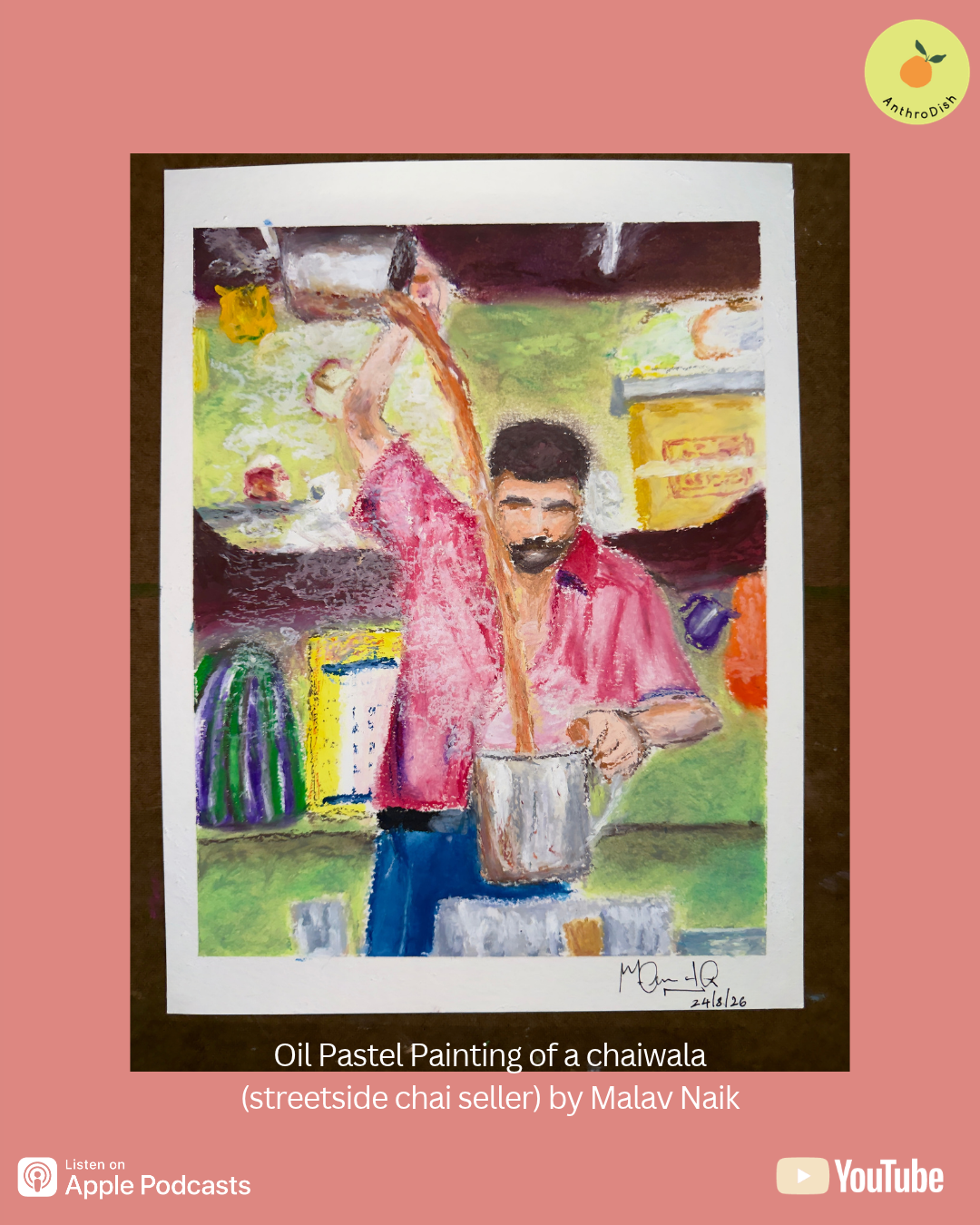
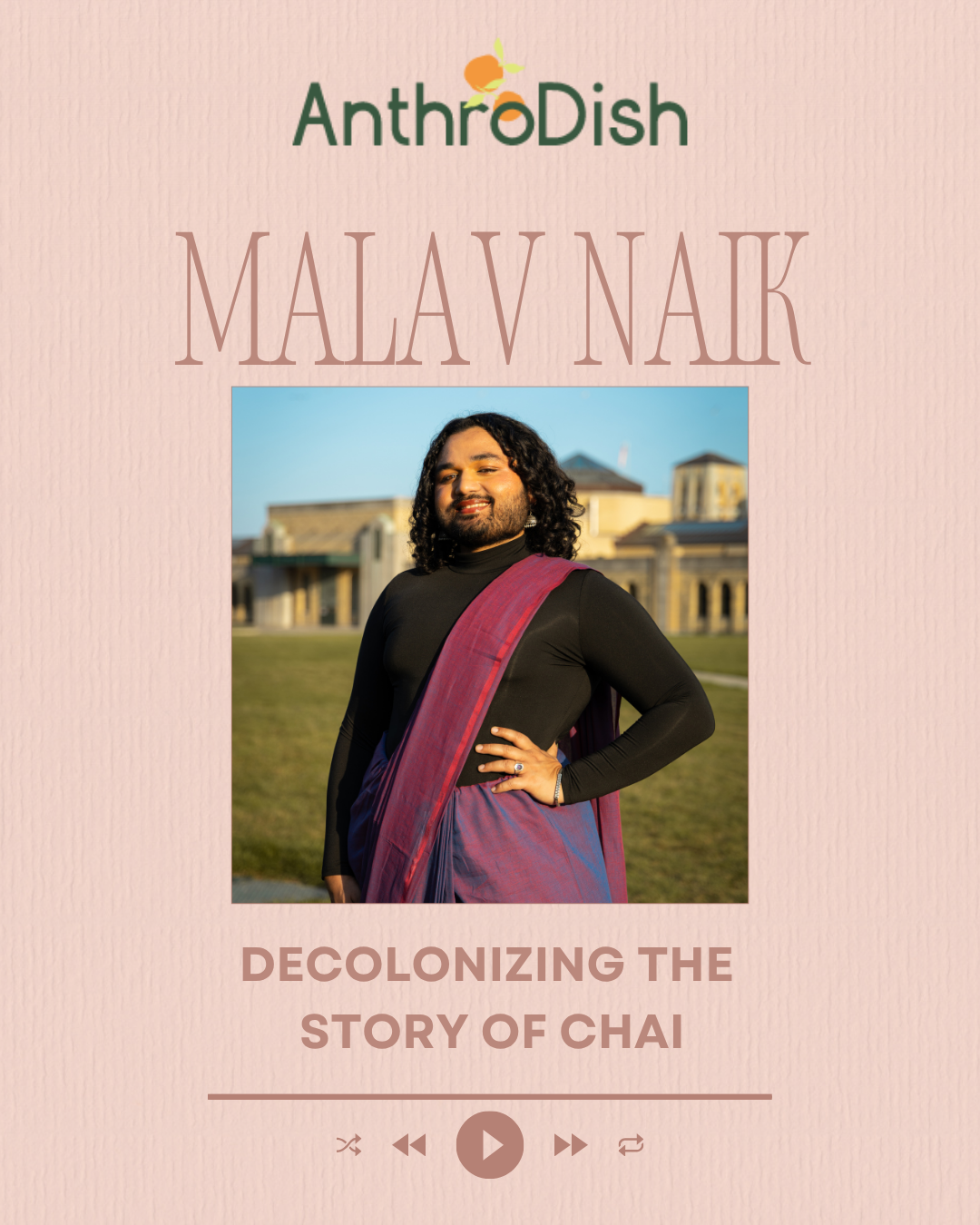
Today, my dear friend, Chai mistress and culinary history enthusiast Malav Naik, is here to talk about how chai is really a form of resistance in a cup. Malav is a marketing strategist, artist, and activist based in Toronto, Ontario. They grew up in the food-obsessed city of Surat, which shaped their hedonistic outlook toward cooking and eating. They use food history to impact cultural and historical knowledge with every dish they serve, hosting chai masterclasses for venues like Depanneur and TikTok, and lots of wonderful pop-up events and dinner parties.
Malav speaks to chai as resistance in a cup, born of an act of revolt against colonial arm twisting. They dive into the rich, storied history of how Chai came to be, its customs, and the tea trading industry of the 16th century that shaped relationships between India and tea trading for centuries after. Malav explores tea taxations, indentured servitude and plantation labour by the British, and why it’s important to learn how to make a good cup of Chai to avoid colonizing it twice (here’s looking at you, unnamed corporate coffee chai). As a special extra bonus, Malav is also demonstrating how to make a perfect cup of Chai.
Resources:
Instagram: @the_khalnaik
WATCH THE CHAI TUTORIAL HERE: https://youtu.be/QrdFSeDIpSk
People can get in touch with Malav if they would like to organize the Chai Masterclass for their organization/workplace/birthday party. It’s an interactive workshop that is just as suited for a bridal shower as it is for a corporate team building exercise, and it is customized by them for every occasion! Get in touch with Malav at malavnaik13@gmail.com.
Corrections:
Malav says at 13:35 that the Chinese were addicted to tea but what they meant to say is Opium. The East India Company caused an opium addiction epidemic in China.
Malav mentions at 38:10 that the 2026 Delhi Jantar Mantar protests against Modi in India were the largest, but has clarified that they were actually one of the largest, with the largest likely being the farmer protests in 2020 to 2021. Here's a Wikipedia link of the protests.
[This collaboration is part of an advertising campaign led by the Podpass agency for Canadian Reserve]
Discover Canadian Reserve's premium Gouda range, available at major grocery stores across Canada 👉 https://bit.ly/canadianreserve-anthrodish