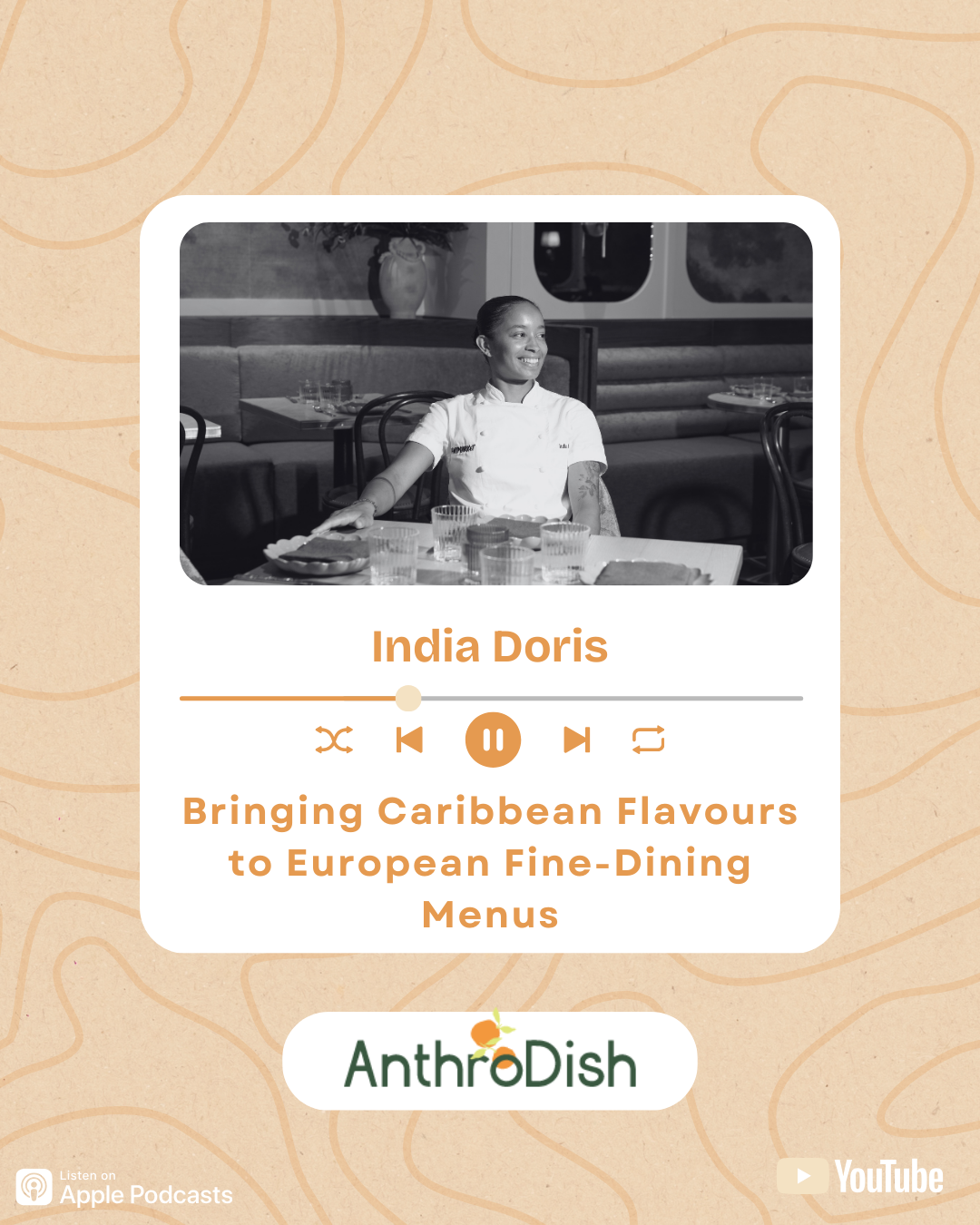
173: Bringing Caribbean Flavours to European Fine-Dining Menus with Chef India Doris

When heard about the work that chef India Doris is doing with her new restaurant, Markette, in bringing Caribbean heritage and flavours to European-style fine dining, I was delighted to have the chance to speak with her. India is the co-owner and Executive Chef at Markette, which is a modern European restaurant based in Chelsea, New York, along with The Argyle, a cocktail lounge located directly below the restaurant. This past fall, she was awarded the Young Chef Award at the 2025 Northeast Michelin ceremony.

Originally from London, India has lived and cooked throughout Europe at acclaimed restaurants in Spain, France, and the UK, such as London’s La Trompette and Bibendum at the Michelin House, in addition to time spent studying butchery in Scotland. Upon settling in New York City over ten years ago, India worked as Chef de Partie at The NoMad before joining renowned, late Chef James Kent at his debut restaurant, NYC’s MICHELIN-starred Crown Shy, and later rising to Executive Sous Chef at sister concept, two MICHELIN-starred SAGA. At Markette, India’s seasonally-rotating menu is heavily inspired by her time spent in Europe and upbringing in the UK, as well as by her Caribbean heritage – showcasing her creative, yet timeless point of view.

India has accomplished so much, and it’s clear in chatting with her that this is only the beginning. In today’s conversation, we explore her early days in the culinary world and its lasting influence on how she approaches her work, the ways she navigates fine dining culture in her Markette menu by infusing autobiographical elements into dishes that reflect Caribbean culture, flavours, and histories, and how she built a sustainable environment for her staff through a respect-first approach to the kitchen.

Resources:

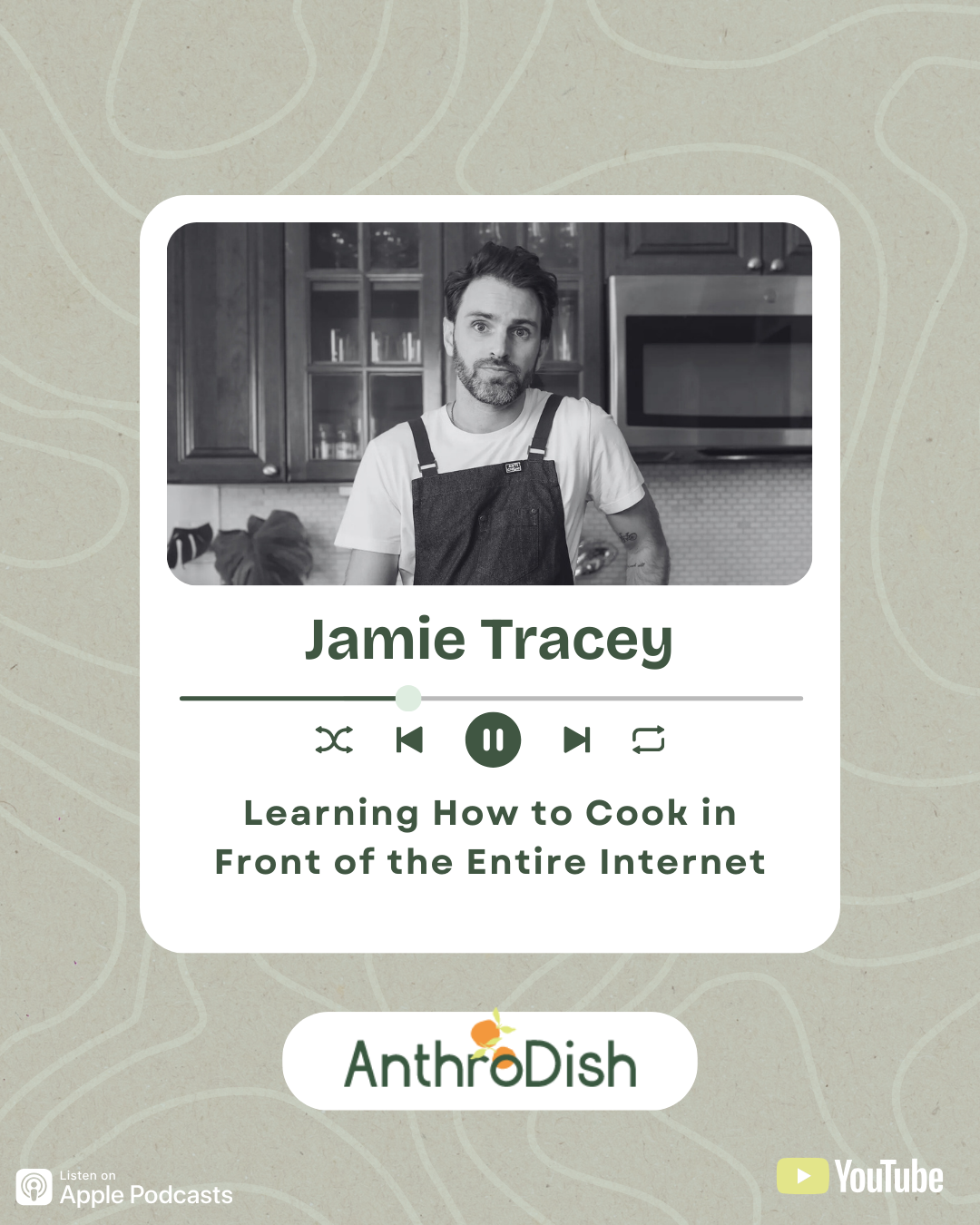
172: Learning How to Cook in Front of the Entire Internet with Jamie Tracey

For anyone that grew up without a strong sense of connection to cooking or eating cultural foods, it can be daunting to get into the kitchen and make your own relationship with food. But for today’s guest, Jamie Tracey, that lack of relationship was enough incentive to try an honest approach to building something that would last.  

Jamie is a self-taught creator and Canadian cook that created Anti-Chef, a culinary experiment that plays out in real time on his YouTube series. It captures the good, bad, chaos, and triumph that comes with learning and loving to cook. With more than half a million subscribers, Anti-Chef follows Jamie as he dives headfirst into the hilarious, messy, and human side of trying something new. From Julia Child’s most intimidating recipes to Michelin-level masterpieces and celebrity “cage matches,” Jamie takes his audience along for the ride—mistakes, meltdowns, and all. 

In today’s conversation, Jamie discusses what food disconnects can look like, how he leveraged his film background and lack of cooking skills to create his heartfelt and entertaining YouTube series, the Canadian food culture and its impact on shaping how he thought about food and eating in the 90s, the process of self-taught cooking and its impact when you have an audience watching your highs and lows, and the lessons he’s learned from cooking through Julia Child recipes for the show.

Resources: 

171: Breaking Down the Myth of a Singular Caribbean Foodway with Chef Leigh-Ann Martin

When it comes to Caribbean food, there tends to be a viewpoint that it can be a monolithic culinary experience. And particularly as those living in countries like Jamaica, Cuba, Trinidad and Tobago, Bahamas, or other Caribbean countries move in the diaspora, it necessitates a nuanced look at how culinary traditions and knowledges are shared, shifted, and expanded with new generations. 

My guest today, chef Leigh-Ann Martin, reminds us that there is such a rich regional diversity and abundance that needs to be explored more fully. Leigh-Ann is a trained chef, thought leader, and senior administrative professional based in the New York City area. She has worked at top finance and accounting firms, and continues her corporate career while consulting on the coursework for the No Words Project, or being featured in food media such as The New York Times, Eater, Washington Post, Food Insider, Vittles, and A Hungry Society podcast. Leigh-Ann has contributed meaningful words that echo Caribbean abundance and delicious recipes for While Entertaining, Ark Republic, Cooking Sense, and Tenderly Magazine. She worked as a line cook at Butter Restaurant and the Darby Supper Club upon her graduation from culinary school, and launched A Table For Four in 2018. This pop-up is an intimate dinner series that merges her Trini upbringing with her culinary training. Most recently, Leigh-Ann was invited to lead a workshop at the World of Flavors International Conference and Festival hosted by the Culinary Institute of America in Napa Valley, CA. and has served on the board of Kind Kitchen Group, which aims to drive social change through food, education, and community empowerment. 

In today’s conversation, we explore her upbringing in Trinidad and its lasting influences on how she thinks about ingredient sourcing and culinary experiences, the navigation of personal and collective histories in creating tasting menus, and breaking down the myth of a singular Caribbean culinary foodway. I’ve long admired the work Leigh-Ann is doing, so I am particularly thrilled to have her on the podcast this week! 

Resources: 

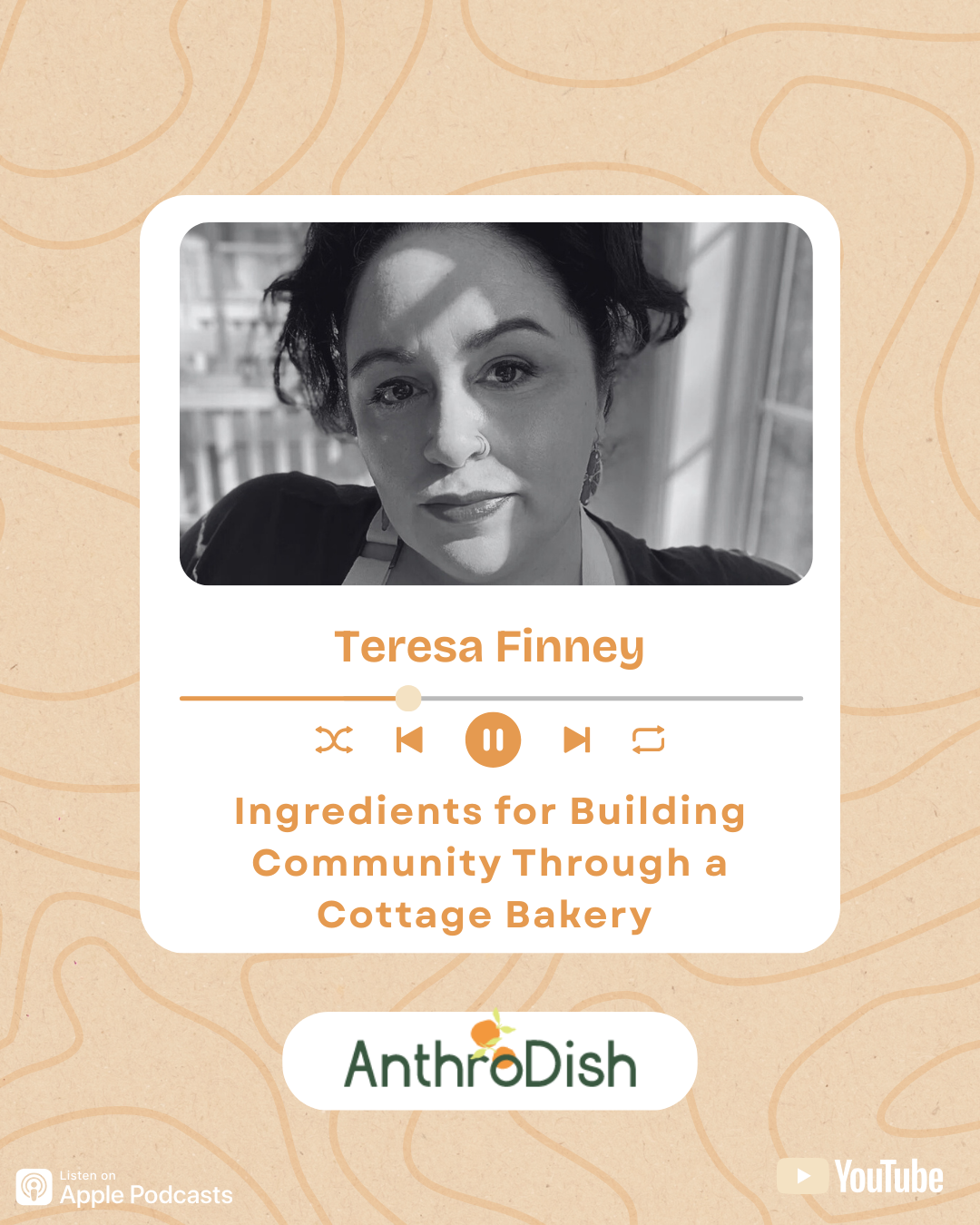
170: Ingredients for Building a Community Through a Cottage Bakery with Teresa Finney

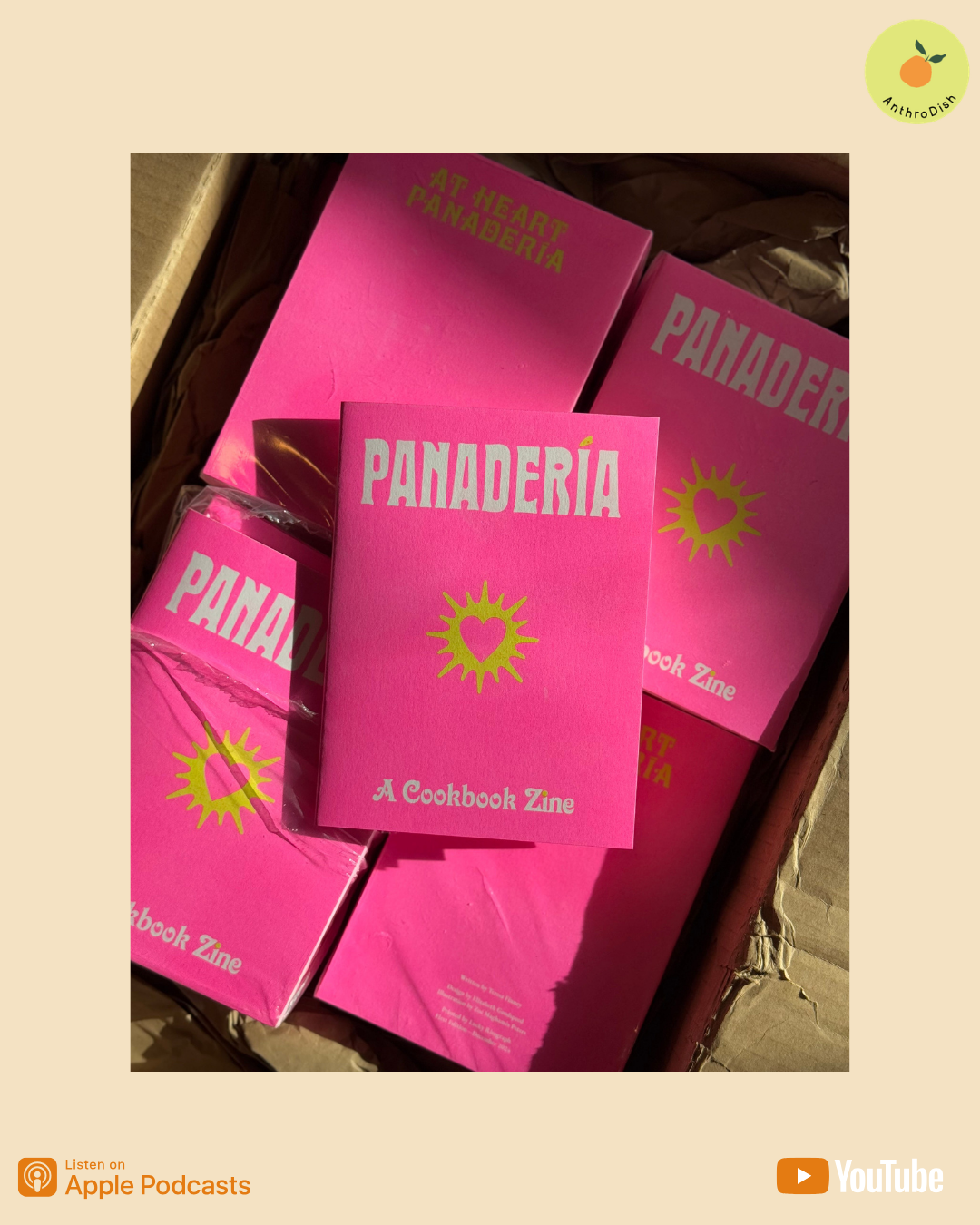
What does it take to make the most out of the internet when you’re building a micro or cottage bakery? My guest today, Teresa Finney, is here to explore this through her journey building At Heart Panadería. Teresa is a pastry chef and writer from the Bay Area in California, with family roots in Guadalajara, Mexico. Now based in Atlanta, Georgia, she runs At Heart Panadería, a contemporary Mexican bakery. She is also the author of Panadería: A Cookbook Zine, which contains five thoughtfully crafted original recipes from her cottage bakery. 

In today’s discussion, we explore how she began her cottage bakery in her at-home kitchen, the shifting relationship with the internet to spread the word of her new bakes, the importance of sourcing seasonal and local ingredients, the relationship between baking and the body, and the role she sees bakers playing in serving their communities.

Resources:

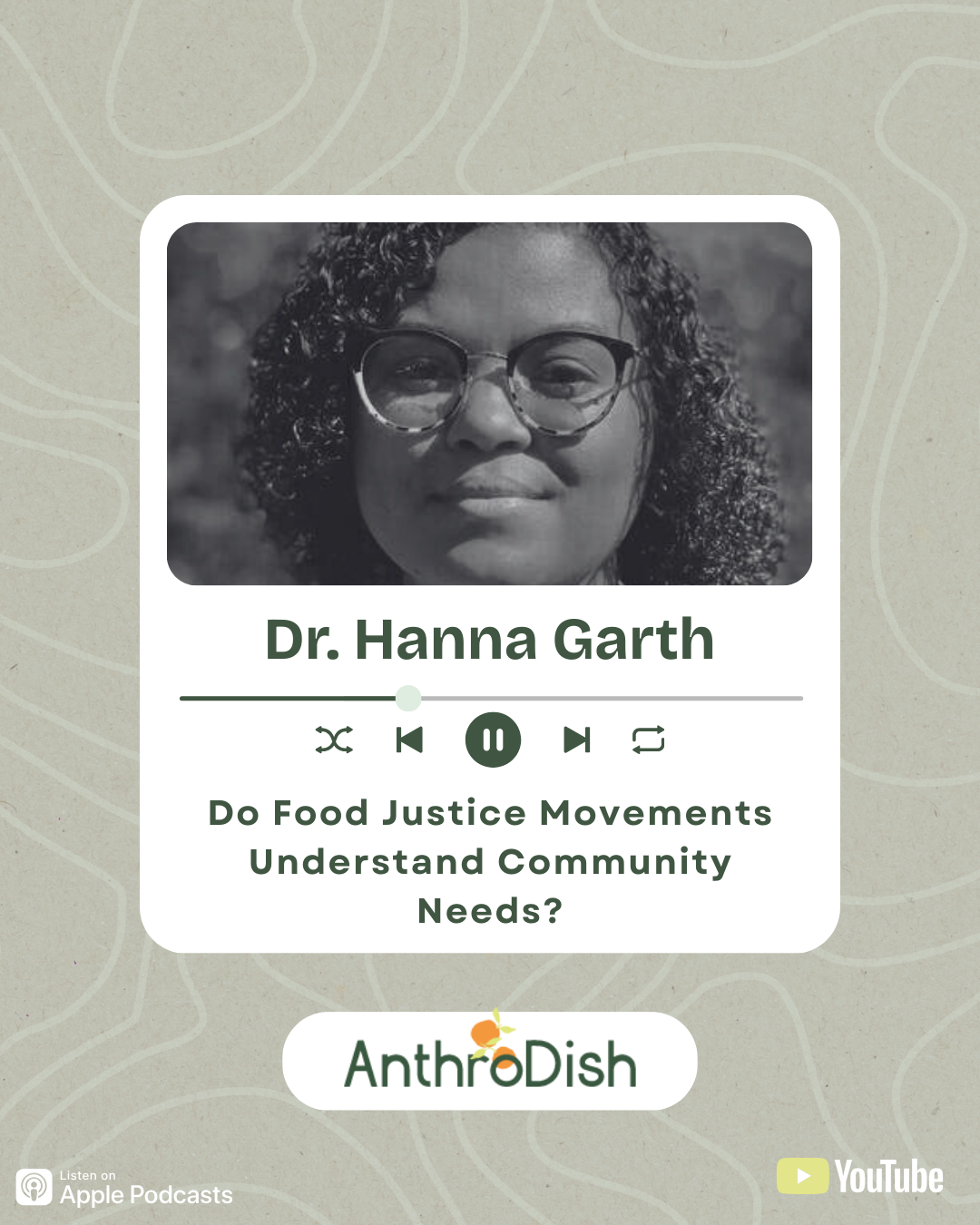
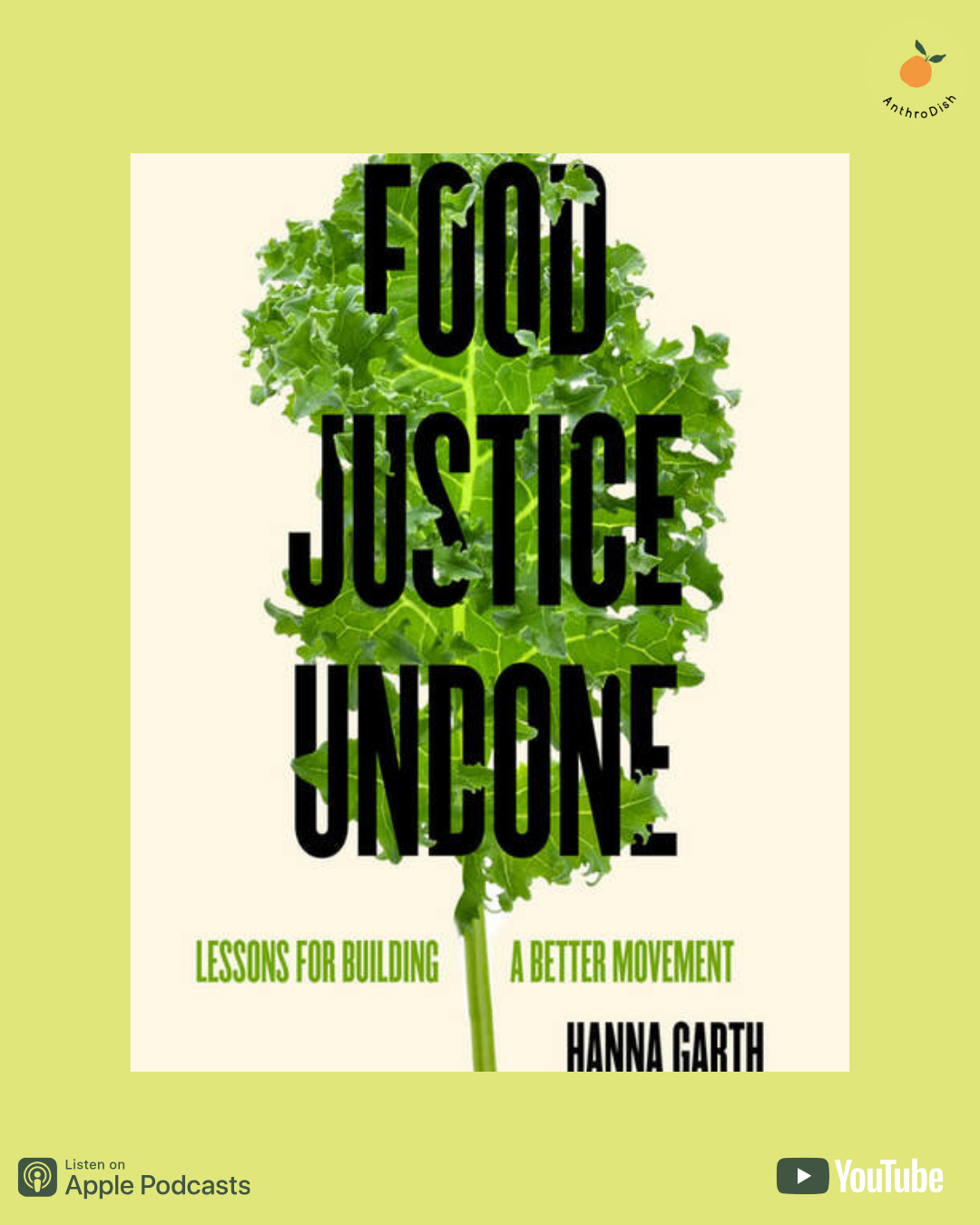
169: Do Food Justice Movements Understand Community Needs? with Dr. Hanna Garth

My guest this week, Dr. Hanna Garth, is here to speak to how food justice movements are affected by long-term misconceptions and assumptions about the communities they work with. Hanna is a sociocultural and medical anthropologist, and Assistant Professor of Anthropology at Princeton University, who studies food access and the global food system. Drawing on 15 years of research on the food justice movement in South Central Los Angeles, her second book Food Justice Undone: Lessons for Building a Better Movement is out now with the University of California Press.

She draws on this ethnographic research to understand issues related to justice and equity in multiracial communities. She studies these questions in Latin America and the Caribbean, and among Black and Latinx communities in the United States. Out of her food justice movement research she also published the co-edited the volume Black Food Matters: Food Justice in the Wake of Racial Justice. She has also published the book Food in Cuba: The Pursuit of a Decent Meal based on long-term research in eastern Cuba, and several articles in top journals in her field and won a wide variety of awards for her research and service. 

In today’s conversation, we’re discussing some of the central themes in her latest book, Food Justice Undone, such as the roles of liberalism and whiteness in maintaining power structures and dynamics in food justice movements, the racialized differences in food justice work, and the power of language, statistics, and small moments in shaping the landscape and politics of food movements. 

Resources:

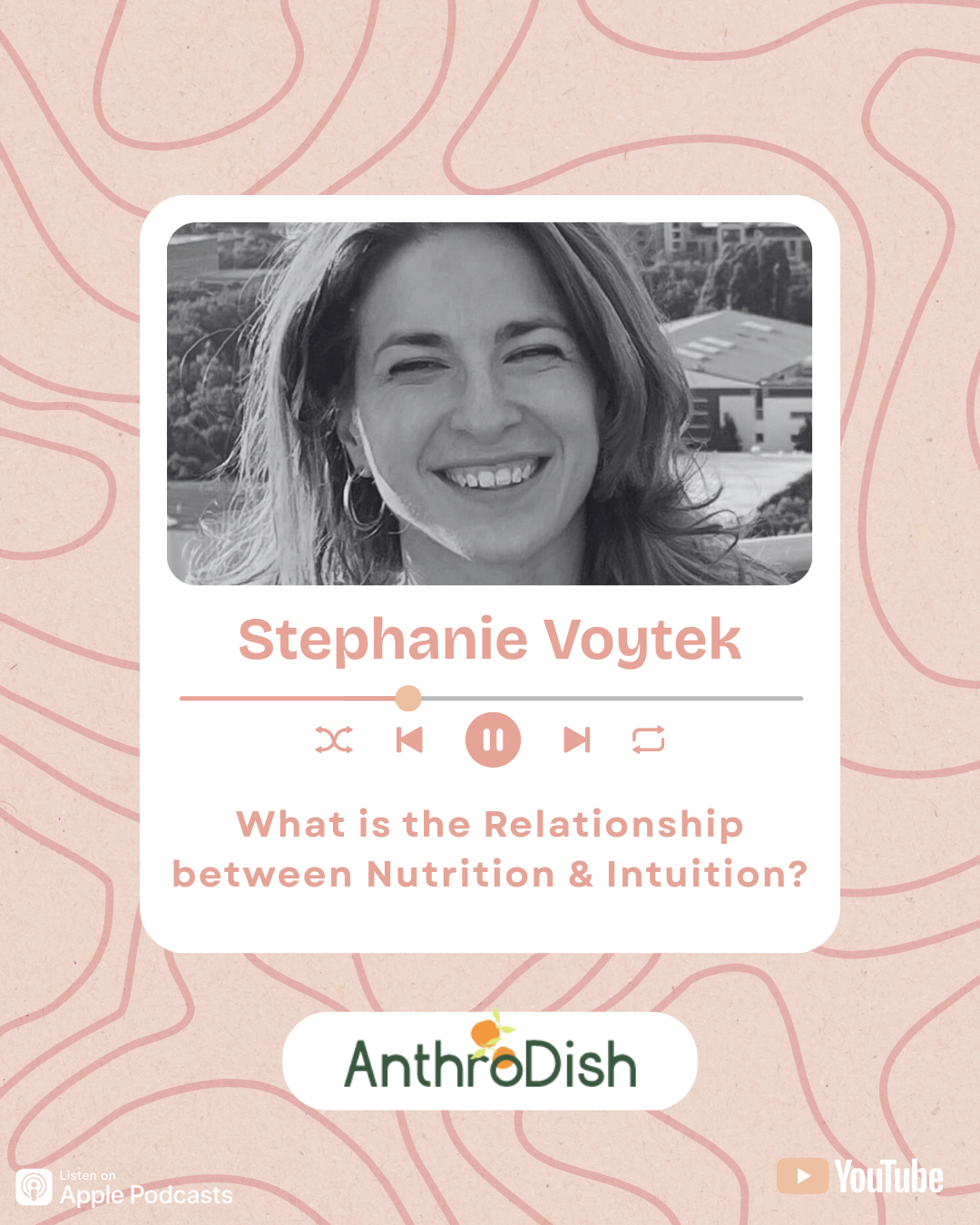
168: What is the Relationship Between Nutrition and Intuition? with Stephanie Voytek

My guest this week, Stephanie Voytek, is a registered dietician here to walk through some of the key issues around nutrition and anxiety in our current social media landscape. She has with a range of experience working in the field of nutrition, from providing education to the community through food access programs, working in the fields and kitchens on farms, and counseling folks with eating disorders. Her range of work experience allows her to understand people, and find the entry point for nutrition-related behavior change in each community and individual. Her work emphasizes pleasure as central to nutrition education, replacing nutrition prescription with food connection as a central intervention. 

In today’s conversation, we’re diving further into the idea of pleasure and intuition as it relates to nutrition. These are terms that can get thrown around a bit willy-nilly in wellness spheres, but as Stephanie points out, there’s actually a lot of scientific and evolutionary value in these concepts as they relate to our appetites and eating behaviours. We also speak to the significant impact that industrialized and post-WWII era food systems have had on our modern reckonings with food, and she provides tips on finding a supportive and good match when you’re looking for a dietician service provider.

Resources: