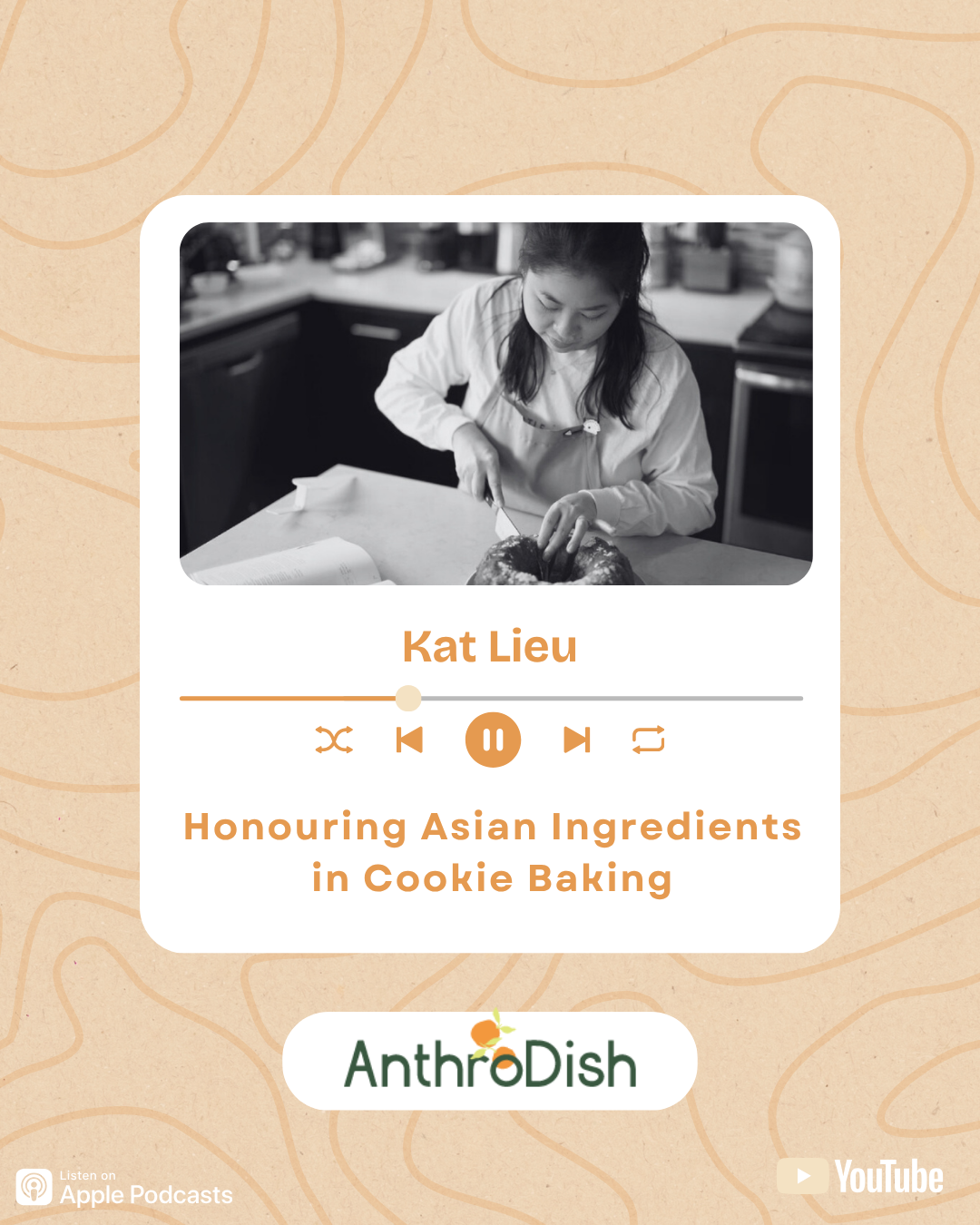
158: Honouring Asian Ingredients in Cookie Baking with Kat Lieu

Cultural appropriation of food from other cultures and countries is by no means a new phenomenon, but how it sneaks in to bland Western recipes is increasing with ties to wellness culture in the last five to ten years – matcha, ube, and pandan are used as trends, but there is so much important history and traditional practices that are interwoven with the stories of these ingredients.

My guest today, Kat Lieu, is a Vietnamese-Chinese cookbook author, and here to share more about how she’s challenging this through her new cookbook, 108 Asian Cookies: Not-too-Sweet Treats from a Third Culture Kitchen. Kat is the founder of the popular online community, Subtle Asian Baking, and is the author of best-selling cookbook, Modern Asian Baking at Home as well as two others. Kat brings a third culture approach to Asian baking, baking and cooking by blending Asian ingredients with Western techniques. She also is an activist, donating her cakes and cookies to various events in Seatle, and raising thousands of dollars for charities and causes important to her. This year alone, she raised $10k for charity selling cookies through Instagram stories.

In today’s episode, Kat shares how she approached 108 Asian Cookies as a cookbook that breaks down barriers being the first Asian-themed cookie cookbook. The cookbook incorporates savory ingredients and playful, incorporating matcha, black sesame cookies, pandan, ube, as well as more savoury and spicy cookies that feature fish sauce, MSG, miso, soy sauce, and Gochujang. Our conversation looks at how Kat has found healing through baking during challenging life moments, how her third culture identity infuses creativity into her kitchen experience, and the importance of challenging misrepresentation of Asian ingredients through a celebration of their culinary adaptations in cookies and the global community this shapes. 

 Resources:

157: Preserving Palestinian Cuisine During Genocide

As this episode airs, it has been just over two years of Israel’s ongoing genocide in Gaza. Tens of thousands of Palestinian people have been killed, and entire cities have been reduced to rubble. And with this, there is a slow and brutal erasure of the rich histories of Palestinian gastronomy. 

My guest today, Lama Obeid, is here to explore the state of Palestinian food culture and the impact of the genocide on how people eat and break bread. Lama is a Palestinian writer residing in Palestine, with her writing focused on gastronomy, politics, culture, and travel. Lama’s food writing before the genocide speaks to the vibrancy and communal nature of Palestinian cooking and hospitality, though she has since shifted to document the impact of the genocide, and speak to other Palestinian chefs, activists, and cookbook authors through her podcast and newsletter I Come From There. 

In today’s conversation, we talk about the role that hospitality has played in Palestinian cooking and eating, the ways that preservation of food and recipes is maintained as resistance by Palestinians at home and in the diaspora, andhow the genocide has affected traditions around bread baking and eating, and how to look out for Palestinian food being appropriated by Zionist and Western attempts to make it vague and just Middle Eastern.

Resources:

156: Cooking through the Silk Roads with Anna Ansari

If you grew up in the Western world, it’s entirely possible you’ve heard of a singular Silk Road used for trade between two major entities, Europe and China. And maaaybe Marco Polo. But the reality is so much more deeply textured and layered with transitions of food, spices, ideas, and cultures along along a wide array of travel and trading routes across Asia.

My guest this week, Anna Ansari, speaks to this through her new cookbook-cum-memoir Silk Roads: A Flavour Odyssey with Recipes from Baku to Beijing. In this thoughtful and rich cookbook, Anna celebrates her Iranian-American heritage with the world’s most storied trade routes through 90 recipes and essays. Anna is an Iranian-American writer, cook, and former international trade lawyer whose work explores the intersections of food, family, and history. Her work as appeared in Pit Magazine, Eaten, and Fillerzine. She lives in London with her husband, son, and cat.

In today’s conversation, Anna talks about her own journey into writing Silk Roads and researching culinary narratives across Asian trade routes, the expansive history of food and ideas travelling along the Silk Roads, and why the apple isn’t so quintessentially American as people would think. 

Learn More From Anna!

155: Queers at the Table with Alex Ketchum and Megan Elias

What makes food queer? Is it possible to name and list it out as simple, clearcut elements? In their new co-edited volume, Queers at the Table, Drs. Alex Ketchum and Megan Elias explore this question with a community of writers, illustrators, and recipe creators. As an anthology of essays, comics, and recipes, the book reveals the dynamic and transformative ways that queerness informs food production and restaurant culture, and how food empowers, transforms, and unites queer and trans folk. 

If Alex’s name sounds familiar, it’s because she is returning to AnthroDish. Alex is an Associate Professor at McGill University’s Institute for Gender, Sexuality, and Feminist Studies, and the co-organizer of the Queer Food Conference. Since she was last on the show to discuss her DIY zine, How to Start a Feminist Restaurant, she’s also written Ingredients for a Revolution: A History of American Feminist Restaurants, Cafes, and Coffeehouses, and Engage in Public Scholarship! A Guide to Feminist and Accessible Community.

Megan is the director of Food Studies Programs at Boston University, and a historian of American foodways. They are the author of five books about food history, with the most recent being Food on the Page: Cookbooks and American Culture. She teaches courses in food history, food and gender, and food memories, and the Introduction to Gastronomy.

Together, they share behind-the-scenes about how Queers at the Table came to be after the Queer Food Conference, the intersections of queer identity and food culture, including the important of community in queer food work, challenging traditional culinary and gastronomic norms and binaries through cooking and sharing food, safety in cooking and kitchen spaces, and expansive considerations for queering food spaces in the future.

Resources:

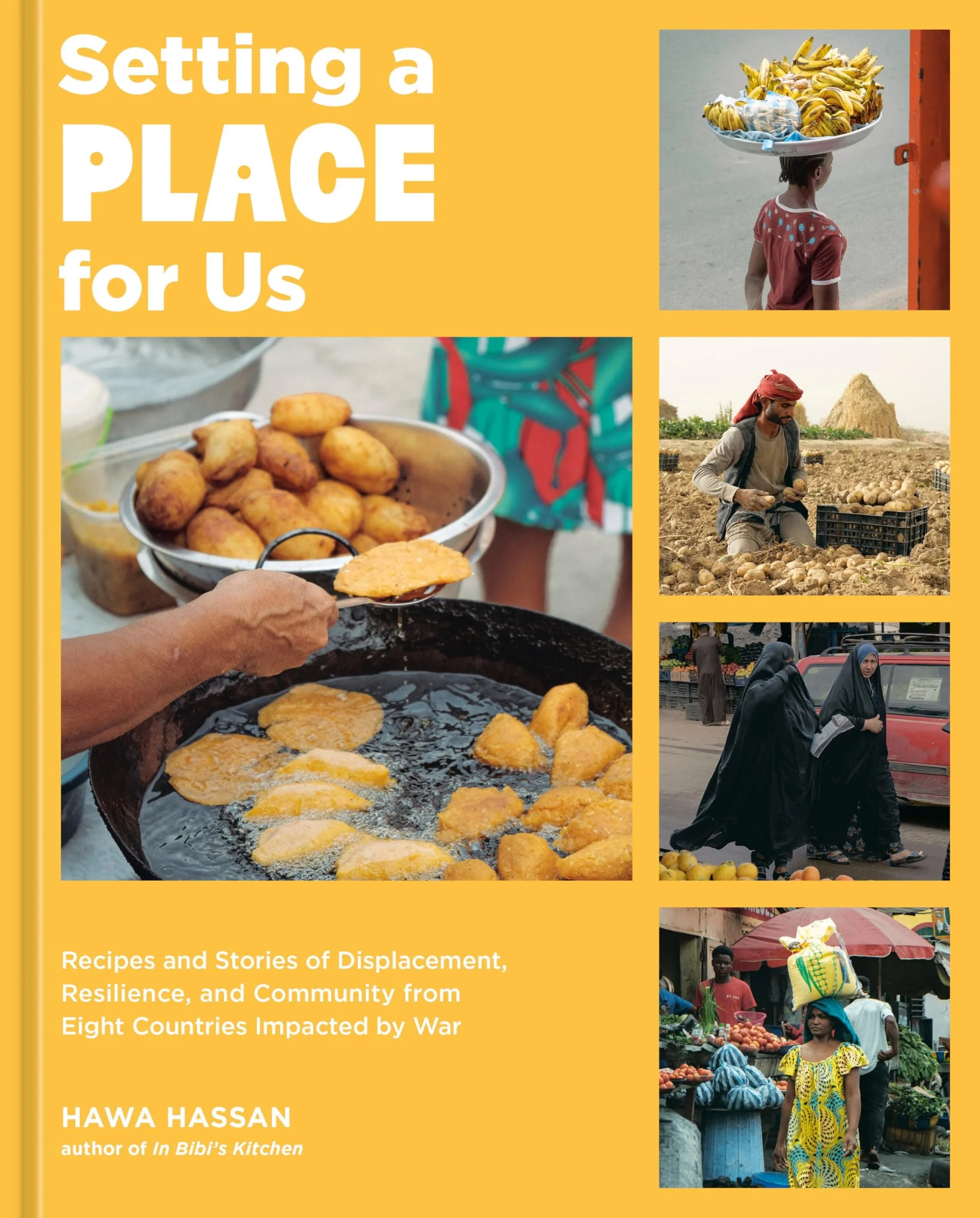
153: Setting a Place for Recipes of Displacement & Community with Hawa Hassan

As season 9 of the podcast draws to a close, it’s feeling like a full circle moment thematically. The conversations began this season around what it means to value labour, specifically whose labour is and isn’t valued to power a global food supply, and an exposé of the cruel treatment of migrant workers coming to the U.S. But the process of migrating, and the experiences that come with it, are incredibly important stories. What does it mean to carry culture through food when you’ve been displaced, and how can food serve as the foundation to continue resilience and pass along important cultural heritage through recipes? I spoke with Hawa Hassan today to explore these questions.

Hawa is a James Beard Award winner and culinary triple threat: dynamic chef, TV personality, and entrepreneur. She's the founder of Basbaas, a line of sauce and condiments inspired by her home country of Somalia, a fast-growing brand that has been featured in Forbes, the New York Times, Eater, and more. Her first cookbook-meets-travelogue, In Bibi's Kitchen, shares recipes and stories from grandmothers—or bibis—in eight African countries bordering the Indian Ocean.

In our conversation, Hawa talks about her latest cookbook, Setting a Place for Us, and how she built this stunning series of recipes from eight countries impacted by war and conflict. Hawa explores how she structured the recipes for the pantry, working with photographers and local experts to shape the stories conveyed through the recipes, and the importance of challenging single-origin stories about conflict and its impact on culture, food, and identity.

Learn More from Hawa:

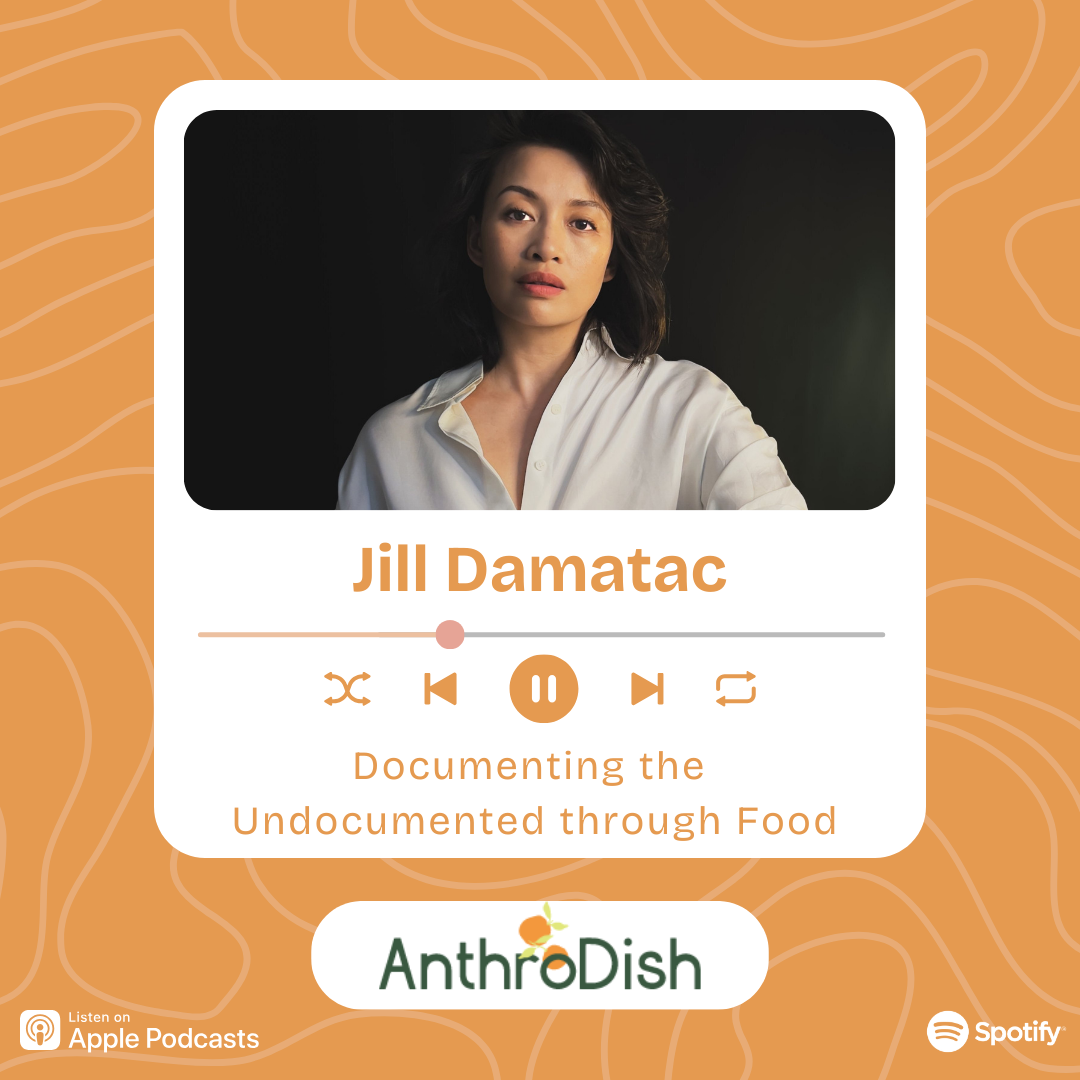
152: Documenting the Undocumented through Food with Jill Damatac

The idea of a pristine kitchen with clean countertops feels distinctively American, or an all-American idealist. However, the concept of the American ideal, or the American dream, desperately needs to be challenged. How better to do that than through food? My guest this week, author and filmmaker Jill Damatac, does just that in her new memoir, Dirty Kitchen: A Memoir of Food and Family. 

Jill was born in the Philippines, raised in the US, and is now a UK citizen living in the San Francisco Bay Area. Her film and photography work has been featured on the BBC and in Time, and at film festivals worldwide; her short documentary film Blood and Ink (Dugo at Tinta), about the Indigenous Filipino tattooist Apo Whang Od, was an official selection at the Academy Award–qualifying DOC NYC and won Best Documentary at Ireland’s Kerry Film Festival. Jill holds an MSt in Creative Writing from the University of Cambridge and an MA in Documentary Film from the University of the Arts London. Her new book, Dirty Kitchen, is a food memoir of 22 years undocumented in the United States.

In today’s episode, we explore her memoir as a unique narrative that combines recipes, Filipino histories and mythologies, American immigration experiences, food writing, and personal narratives. Jill describes how she structured the book, how Filipino diasporic recipes relate to diasporic and migrant experiences, and the relationship between American foods and rebuilding a sense of self through Filipino foods after living undocumented for many years. 

Resources: